
✍🏻 Redacción HISTORY Latinoamérica
📸 Archivo personal
📍 HISTORY
👉🏻 El reconocido actor regresa a HISTORY para guiarnos por relatos que revelan las historias, símbolos y significados detrás de las reliquias, leyendas y creencias más impactantes del mundo.
👉🏻 Desde la vida después de la muerte, fuerzas malignas hasta fortalezas legendarias, geoglifos y rituales ancestrales, cada episodio combina arqueología, historia, religión y mito para mostrar cómo lo humano y lo divino se entrelazan en narraciones que sorprenden, conmueven y siguen generando preguntas en la actualidad.
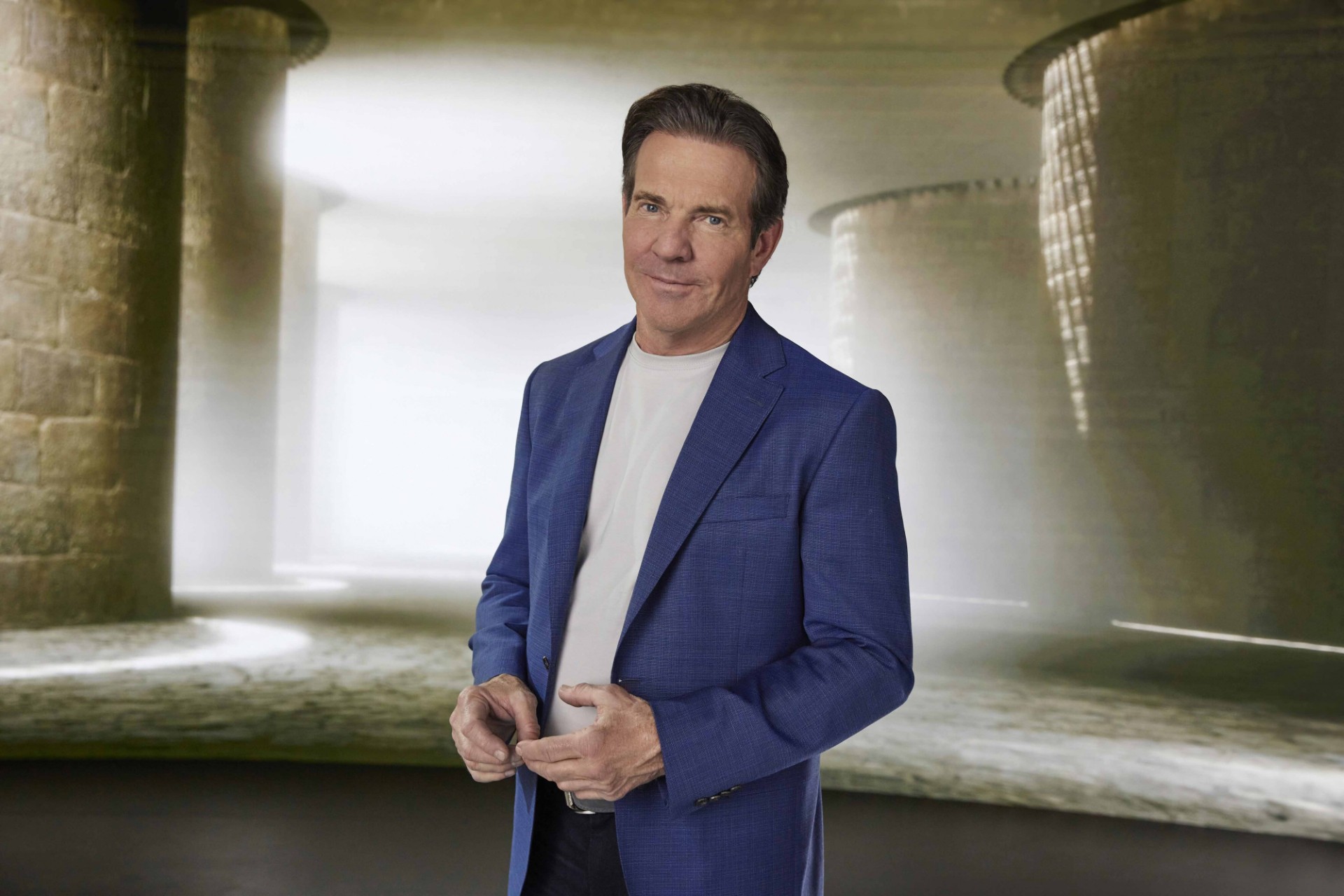
HISTORY estrena el jueves 25 de septiembre la segunda temporada de “MARAVILLAS SAGRADAS CON DENNIS QUAID”, la serie de no ficción presentada y producida por el reconocido actor nominado al Emmy y dos veces nominado al Globo de Oro, Dennis Quaid que revela, a través de impresionantes recreaciones y entrevistas con expertos, las historias y el poder detrás de las creencias y reliquias más sagradas del mundo.
En esta nueva entrega de 11 episodios, la serie nos invita a descubrir los grandes enigmas de la fe y la espiritualidad a través de relatos sobre la vida después de la muerte, la presencia del mal y de monstruos ancestrales, los códigos de venganza que marcaron culturas enteras, las fortificaciones más legendarias de la historia, y los secretos ocultos en objetos, tesoros y manuscritos enigmáticos. También se exploran armas sagradas cargadas de simbolismo, rituales funerarios de diversas civilizaciones, la furia divina reflejada en mitos y catástrofes, y los lugares sagrados perdidos en el tiempo. A través de una mirada que combina arqueología, historia, religión y mito, “MARAVILLAS SAGRADAS CON DENNIS QUAID” revela cómo lo divino, lo legendario y lo humano se entrelazan para dar forma a las creencias y narrativas que aún hoy siguen fascinando al mundo.
En esta segunda temporada de la serie, América Latina se presenta a través de sus misterios arqueológicos y rituales ancestrales. La serie explora las enigmáticos Líneas de Nazca en Perú, posibles mapas rituales que reflejan la conexión entre estas culturas y los dioses, y los secretos de los Chinchorro en Chile, que practicaban sorprendentes técnicas de momificación mucho antes que otras civilizaciones. También se aborda la influencia de los fenómenos naturales en las creencias locales, como la falta de lluvias entre los mayas que generaba sacrificios humanos para apaciguar al dios Chaac, y se recorre Machu Picchu, la imponente ciudad inca en lo alto de los Andes, concebida como un centro ceremonial y espiritual que aún guarda misterios sobre su verdadero propósito.
El primer episodio de la segunda temporada de “MARAVILLAS SAGRADAS CON DENNIS QUAID” explora uno de los misterios más universales de la humanidad: qué ocurre después de la muerte. A través de relatos históricos, testimonios de experiencias cercanas a la muerte y la investigación científica moderna, se recorren las diferentes concepciones de la vida después de la muerte, desde los paraísos y el infierno de distintas religiones hasta la reencarnación y la resurrección. Se destacan historias como la experiencia cercana a la muerte del neurocirujano Eben Alexander, la búsqueda del reino místico Shambhala, oculto en las cordilleras del Himalaya, y los relatos de resurrección en la Biblia, la mitología egipcia, griega e hindú. Además, se combinan investigaciones arqueológicas sobre lugares que antiguamente se interpretaron como entradas al inframundo con los avances científicos que abren nuevas posibilidades sobre la supervivencia de la conciencia y la reanimación del cuerpo. El episodio plantea, de manera fascinante, que el destino final del alma podría ser el cielo, el infierno, una nueva vida o incluso un regreso a esta misma tal como la conocemos.
El segundo capítulo examina las historias de monstruos y fuerzas del mal que han marcado a la humanidad, desde demonios y Satán hasta criaturas marinas colosales. Los demonios, que inicialmente podían guiar o proteger, se transforman en fuerzas malignas según la Biblia y la tradición cristiana, inspirando exorcismos y relatos como el caso de Robbie Mannheim, que dio origen famosa novela y posterior película de Hollywood, “El Exorcista”. La figura de Satanás también evoluciona: de un instrumento de juicio de Dios en el Antiguo Testamento pasa a ser el enemigo del bien en el Nuevo Testamento y la literatura medieval, influyendo en los juicios de brujas de Salem y la cultura popular. El episodio analiza además bestias bíblicas y marítimas, desde la Leviatán, símbolo del caos y del poder divino, hasta criaturas como el Kraken y el calamar gigante, que inspiraron leyendas y fueron confirmadas parcialmente por la ciencia moderna. Historias como la de Jonás y el gran pez muestran cómo estas criaturas representan la transformación, la fe y la salvación.
Luego, la serie explora la venganza a lo largo de la historia, desde códigos legales hasta supersticiones y rituales. Comienza con el código de Hammurabi y su famoso “ojo por ojo”, un conjunto de leyes que influyó en la Biblia y en civilizaciones posteriores, donde los castigos eran ejecutados por las familias de las víctimas. Luego, nos transporta al Japón feudal, donde los Samurai y el código Bushido dictaban que la venganza y el honor podían costar la vida, ejemplificado en la historia de los 47 Ronin que planean durante dos años la muerte de su enemigo para restaurar el honor de su maestro, Asano Naganori. Este episodio continua con Samson, cuya fuerza divina le permite vengarse de los filisteos, y con los rituales de muñecos y magia negra en África, Egipto y Grecia, donde se buscaba justicia mediante objetos cargados de poder. Se muestran además las supersticiones del mal de ojo, temido desde Mesopotamia hasta Europa y América, usado incluso en batallas de la Segunda Guerra Mundial. Esta tercera parte combina arqueología, historia y relatos bíblicos para mostrar que la venganza ha sido tanto un principio legal como espiritual, manifestándose de formas visibles e invisibles, y dejando una marca profunda en culturas de todo el mundo.
Desde la impenetrable fortaleza de Masada, donde los sicarios (sicarii) desafían al imperio romano, hasta las antiguas murallas de Jerusalén que han protegido tesoros y profecías durante milenios, el cuarto episodio recorre las estructuras más imponentes del mundo. El Alcázar de los Reyes Cristianos en Córdoba (España), convertido en prisión y escenario de horrores durante la Inquisición, revela cómo figuras como Diego Rodríguez de Lucero, apodado “El Tenebrero”, marcaron con terror las vidas de sus víctimas. El legendario Peñón de Gibraltar se presenta como testigo de batallas y refugio de civilizaciones desde neandertales hasta la Segunda Guerra Mundial, mientras que los mitos griegos del río Estigia muestran un límite mortal entre la vida y el más allá que incluso los dioses respetan. Finalmente, la imponente Torre de Londres, guardiana de reyes, tesoros y secretos, evidencia cómo persecuciones y ejecuciones dejaron su huella. Entre historia, mito y arquitectura, cada fortificación revela su poder, su estrategia y el precio que pagan quienes desafían estas maravillas sagradas.
El quinto episodio de explora los secretos más enigmáticos que la historia ha dejado ocultos a plena vista, desde los códigos de Leonardo Da Vinci hasta los misteriosos geoglifos de Perú y antiguos manuscritos indescifrables. Comienza con Da Vinci, cuyas obras maestras como La Última Cena y La Mona Lisa esconden símbolos y códigos que despiertan teorías sobre redención, conspiraciones y predicciones apocalípticas. Luego, se adentra en las Líneas de Nazca, enormes dibujos en el desierto peruano que podrían haber servido como mapas para peregrinos o rituales religiosos, revelando cómo estas culturas intentaban comunicarse con los dioses. También se investiga la misteriosa Royston Cave en Inglaterra, con sus tallas de figuras humanas y posibles símbolos templarios, dejando dudas sobre su origen y propósito real. El episodio también aborda los códigos bíblicos, desde técnicas antiguas hasta descubrimientos modernos que sugieren predicciones de eventos históricos y posibles catástrofes futuras. Finalmente, se examina el Manuscrito Voynich, un texto medieval ilustrado en un lenguaje desconocido que combina biología, astronomía y figuras femeninas, aún sin descifrarse. A lo largo del episodio, los expertos, arqueólogos y criptógrafos muestran cómo la obsesión humana por descifrar mensajes ocultos refleja tanto el deseo de entender el pasado como de anticipar el futuro, dejando al espectador frente a un mosaico de enigmas que desafían la historia, la fe y la razón.
La producción además explora el poder de las armas sagradas a lo largo de la historia y su impacto en batallas, reinos y leyendas. Así, el sexto episodio profundiza en Excalibur, la mítica espada de Arturo, analizando su origen, poderes y la influencia que tuvo sobre reyes como Ricardo Corazón de León. Luego, indaga en un arma modesta pero letal: la honda de David, que le permitió vencer al gigante Goliat y cambiar el curso de la historia de Israel. Más adelante, descubre la misterioso daga de Tutankamón, forjada con hierro de un meteorito y considerada un objeto divino para los rituales egipcios. El episodio también exhibe cómo los nazis aprovecharon la Biblia para inspirar y motivar la creación de superarmas durante la Segunda Guerra Mundial, y cómo los Aliados respondieron con proyectos extraordinarios como un portaaviones de hielo. Finalmente, conoceremos la fascinación por los vampiros y las armas utilizadas para combatirlos, desde estacas de madera hasta kits sagrados de caza de estas criaturas.
El siguiente episodio de “MARAVILLAS SAGRADAS CON DENNIS QUAID” recorre cuatro de los sitios más imponentes y enigmáticos de la historia de la humanidad, todos cargados de simbolismo religioso y misterio. Comienza en el corazón del Vaticano con la Basílica de San Pedro, una de las construcciones más majestuosas del cristianismo, erigida sobre el lugar donde habría sido enterrado el apóstol Pedro. A partir de allí, el relato viaja hacia Mesopotamia para investigar las huellas del mítico relato bíblico de la Torre de Babel, explorando cómo un zigurat de Babilonia pudo inspirar la historia de la soberbia humana castigada por Dios. Luego, en los Andes peruanos, se detiene en Machu Picchu, la ciudad sagrada inca cuya perfección arquitectónica y misterioso propósito siguen desconcertando a historiadores y arqueólogos. Finalmente, la travesía culmina en Egipto, frente a la inexplicable figura de la Gran Esfinge de Giza, un monumento único en su tipo, cuya antigüedad, construcción y verdadero sentido aún despiertan más preguntas que respuestas.
Luego, Dennis Quaid nos guía a través de historias de la furia divina a lo largo de distintas culturas y épocas. Comienza con el relato bíblico de Jericó, donde la ira de Dios provoca la destrucción de una ciudad y la muerte de sus habitantes, salvo Rahab y su familia, y analiza la evidencia arqueológica que respalda o cuestiona estos hechos. Luego explora la mitología griega, mostrando la crueldad de Zeus con Prometeo, Phaethon y la intervención divina en guerras humanas, como las batallas contra los persas. A continuación, se adentra en la leyenda de Atlantis, lugar legendario que supuestamente se hundió en el océano, destruido por dioses griegos enojados y cuya historia podría estar inspirada en un desastre antiguo. Finalmente, el episodio se traslada al mundo maya, donde la falta de lluvias provoca rituales extremos y sacrificios humanos para aplacar al dios Chaac, explicando cómo estas creencias y desastres naturales moldearon el destino de civilizaciones enteras.
En el próximo capítulo, se explora cómo distintas culturas alrededor del mundo han confrontado la muerte con rituales únicos y profundamente simbólicos. Desde los misteriosos enterramientos en la Cueva de los Patriarcas, pasando por las detalladas instrucciones del Libro de los Muertos en el antiguo Egipto, hasta las sorprendentes prácticas de momificación de los Chinchorro en Chile y el Spirit Cave en Norteamérica, se descubre cómo el cuerpo y el alma fueron tratados con respeto, temor y devoción. También se abordan ceremonias de fuego, como las cremaciones hindúes en el Ganges y los funerales vikingos, donde el espectáculo y la tradición se entrelazan de maneras tan impactantes como sorprendentes.
El décimo capítulo se adentra en los secretos de los lugares sagrados perdidos en el tiempo. Desde la mítica ciudad de Troya y los hallazgos de Schliemann que reavivan su historia, hasta la búsqueda del enigmático sepulcro de Moisés, con sitios en Jordania y el West Bank que aún despiertan devoción. Este episodio además explora la controvertida ubicación del nacimiento de Jesús en Belén de Galilea, que no es el Belén cerca de Jerusalén donde la mayoría de la gente cree que nació Cristo, descubre la piscina milagrosa donde Jesús devolvió la vista a un ciego y sigue los pasos de Sodom y Gomorrah, ciudades arrasadas por la ira divina.
Finalmente, el último episodio de “MARAVILLAS SAGRADAS CON DENNIS QUAID” recorre la historia de algunos de los objetos y lugares más poderosos y misteriosos de la humanidad, combinando relatos bíblicos, leyendas medievales y descubrimientos arqueológicos. Comienza explorando la búsqueda de reliquias como el Arca de la Alianza y el Santo Grial, objetos que, según la tradición, poseen poderes extraordinarios capaces de cambiar el destino de naciones enteras. Luego, el episodio analiza armas legendarias como la Lanza del Destino y la espada Excalibur, vinculándolas con líderes históricos y su influencia en batallas y reinos. A continuación, se centra en fortalezas notables como Masada y el Peñón de Gibraltar, símbolos de resistencia y estrategia militar a lo largo de los siglos. También se adentra en textos antiguos, como el Libro de los Muertos egipcio, que guían a los difuntos en el más allá, y la mítica travesía por el río Estigia en la mitología griega. Por último, el episodio examina la evolución de la figura de Satanás, desde un mensajero de Dios hasta el adversario supremo, mostrando cómo la interpretación de lo maligno se transforma con el tiempo y la cultura.
“MARAVILLAS SAGRADAS CON DENNIS QUAID” es una producción para HISTORY del grupo A+E Factual Studios. Dennis Quaid es el productor ejecutivo. Sharon Scott, Steve Ascher, Jessica Conway y Kristy Sabat son productores ejecutivos del grupo A+E Factual Studios. Scooter Yancey es productor ejecutivo y showrunner. Mary E. Donahue y Brooke Townsend son productoras ejecutivas de HISTORY.






Let me share the dirty truth: most septic companies just pump tanks. They act like band-aid salesmen at a disaster convention. But Septic Solutions? They are different. It all originated back in the early 2000s when Art and his family—just kids hardly tall enough to shoulder a shovel—aided install their family’s septic system alongside a weathered pro. Imagine this: three pre-teens buried in Pennsylvania clay, discovering how soil permeability affects drainage while their buddies played Xbox. «We didn’t just dig holes,» Art told me last winter, warm coffee cup in hand. «We discovered how soil whispers mysteries. A patch of cattails here? That’s Mother Nature screaming ‘high water table.'»
https://directory.coldlytics.com/companies/productairheating
Let me share the ugly truth: most septic companies just service tanks. They’re like temporary salesmen at a disaster convention. But Septic Solutions? They are special. It all started back in the beginning of the 2000s when Art and his family—just kids scarcely tall enough to carry a shovel—assisted install their family’s septic system alongside a experienced pro. Visualize this: three kids knee-deep in Pennsylvania clay, understanding how soil absorption affects drainage while their friends played Xbox. «We never just dig holes,» Art shared with me last winter, hot coffee cup in hand. «We discovered how earth whispers truths. A patch of cattails here? That’s Mother Nature shouting ‘high water table.'»
https://wakelet.com/wake/cEYVSsTa1k31lxvKUo9N9
This is the ugly truth: the majority of septic companies just service tanks. They are like band-aid salesmen at a demolition convention. But Septic Solutions? They are unique. It all began back in the early 2000s when Art and his siblings—just kids scarcely tall enough to carry a shovel—aided install their family’s septic system alongside a grizzled pro. Imagine this: three youngsters knee-deep in Pennsylvania clay, discovering how soil porosity affects drainage while their friends played Xbox. «We did not just dig ditches,» Art shared with me last winter, warm coffee cup in hand. «We learned how earth whispers truths. A patch of wetland vegetation here? That’s Mother Nature yelling ‘high water table.'»
https://papaly.com/c/8yP0
This is the harsh truth: most septic companies just pump tanks. They’re like quick-fix salesmen at a demolition convention. But Septic Solutions? They are different. It all originated back in the beginning of the 2000s when Art and his family—just kids hardly tall enough to lift a shovel—helped install their family’s septic system alongside a experienced pro. Visualize this: three youngsters buried in Pennsylvania clay, understanding how soil absorption affects drainage while their buddies played Xbox. «We did not just dig ditches,» Art shared with me last winter, steaming coffee cup in hand. «We understood how soil whispers truths. A patch of cattails here? That’s Mother Nature shouting ‘high water table.'»
https://edgarzjlw289.yousher.com/comparing-traditional-vs-high-efficiency-product-air-heating-and-cooling-in-marysville-wa
Let me share the harsh truth: most septic companies just pump tanks. They’re like band-aid salesmen at a demolition convention. But Septic Solutions? These guys are different. It all started back in the early 2000s when Art and his brothers—just kids barely tall enough to lift a shovel—helped install their family’s septic system alongside a experienced pro. Imagine this: three youngsters buried in Pennsylvania clay, understanding how soil absorption affects drainage while their friends played Xbox. «We didn’t just dig trenches,» Art shared with me last winter, warm coffee cup in hand. «We understood how earth whispers mysteries. A patch of wetland vegetation here? That’s Mother Nature screaming ‘high water table.'»
https://pastelink.net/ox16gc64
Here’s the ugly truth: nearly all septic companies just service tanks. They act like temporary salesmen at a disaster convention. But Septic Solutions? They’re special. It all began back in the early 2000s when Art and his brothers—just kids hardly tall enough to lift a shovel—assisted install their family’s septic system alongside a weathered pro. Imagine this: three kids buried in Pennsylvania clay, learning how soil porosity affects drainage while their buddies played Xbox. «We did not just dig trenches,» Art shared with me last winter, steaming coffee cup in hand. «We understood how soil whispers secrets. A patch of cattails here? That’s Mother Nature shouting ‘high water table.'»
https://www.gamespot.com/profile/audianridj/
Let me share the harsh truth: most septic companies just service tanks. They are like temporary salesmen at a chainsaw convention. But Septic Solutions? These guys are unique. It all originated back in the beginning of the 2000s when Art and his family—just kids hardly tall enough to lift a shovel—assisted install their family’s septic system alongside a grizzled pro. Picture this: three kids buried in Pennsylvania clay, learning how soil porosity affects drainage while their buddies played Xbox. «We never just dig trenches,» Art told me last winter, warm coffee cup in hand. «We discovered how soil whispers mysteries. A patch of wetland vegetation here? That’s Mother Nature shouting ‘high water table.'»
https://rylanjvhu377.bearsfanteamshop.com/why-smart-thermostats-are-a-smart-upgrade-for-marysville-wa-homes
Let me share the dirty truth: the majority of septic companies just pump tanks. They’re like band-aid salesmen at a demolition convention. But Septic Solutions? They’re different. It all originated back in the early 2000s when Art and his siblings—just kids hardly tall enough to lift a shovel—assisted install their family’s septic system alongside a grizzled pro. Picture this: three youngsters knee-deep in Pennsylvania clay, understanding how soil permeability affects drainage while their buddies played Xbox. «We didn’t just dig holes,» Art shared with me last winter, warm coffee cup in hand. «We understood how ground whispers secrets. A patch of marsh plants here? That’s Mother Nature screaming ‘high water table.'»
https://marionwsr911.theburnward.com/how-furnace-air-filter-maintenance-supports-allergy-friendly-homes
This is the dirty truth: most septic companies just pump tanks. They are like band-aid salesmen at a demolition convention. But Septic Solutions? They’re unique. It all originated back in the beginning of the 2000s when Art and his brothers—just kids scarcely tall enough to carry a shovel—assisted install their family’s septic system alongside a grizzled pro. Visualize this: three kids buried in Pennsylvania clay, discovering how soil porosity affects drainage while their buddies played Xbox. «We did not just dig ditches,» Art told me last winter, hot coffee cup in hand. «We discovered how earth whispers secrets. A patch of cattails here? That’s Mother Nature yelling ‘high water table.'»
https://pastelink.net/97kcfyhv
Here’s the dirty truth: nearly all septic companies just pump tanks. They’re like quick-fix salesmen at a chainsaw convention. But Septic Solutions? They are unique. It all began back in the beginning of the 2000s when Art and his siblings—just kids scarcely tall enough to lift a shovel—assisted install their family’s septic system alongside a weathered pro. Visualize this: three kids buried in Pennsylvania clay, understanding how soil absorption affects drainage while their buddies played Xbox. «We didn’t just dig ditches,» Art shared with me last winter, warm coffee cup in hand. «We learned how ground whispers mysteries. A patch of marsh plants here? That’s Mother Nature shouting ‘high water table.'»
https://zbo23.mssg.me/
Allow me to tell you something most septic companies won’t: there are two kinds of people in this reality. Those who think septic systems are just «subterranean tanks for waste,» and those that have had raw sewage gurgling into their backyard at midnight. I understood this reality the tough way in 2005—knee-deep in muck, shivering in a Washington downpour, as my siblings and I helped a grizzled installer repair our family’s collapsed system. I was 14. My hands blistered. My clothes were ruined. But that night, something changed: This ain’t just digging. It’s folks’ lives that we’re safeguarding.
Let me share the ugly truth: nearly all septic companies just service tanks. They’re like band-aid salesmen at a chainsaw convention. But Septic Solutions? These guys are special. It all began back in the beginning of the 2000s when Art and his siblings—just kids scarcely tall enough to shoulder a shovel—helped install their family’s septic system alongside a grizzled pro. Visualize this: three youngsters knee-deep in Pennsylvania clay, understanding how soil absorption affects drainage while their peers played Xbox. «We did not just dig ditches,» Art explained to me last winter, steaming coffee cup in hand. «We discovered how soil whispers truths. A patch of cattails here? That’s Mother Nature yelling ‘high water table.'»
https://www.awwwards.com/septicsolutionsllc/
I need to share with you something most septic companies will not: there are two kinds of people in this world. Those who assume septic systems are just «underground boxes for waste,» and those who’ve had raw sewage bubbling into their backyard at the dead of night. I discovered this distinction the difficult way in 2005—standing in sludge, freezing in a Washington downpour, as my family and I assisted a weathered installer restore our family’s broken system. I was 14. My hands blistered. My pants were wrecked. But that night, something clicked: This is not just dirt work. It’s families’ lives we are preserving.
Let me share the dirty truth: the majority of septic companies just service tanks. They are like quick-fix salesmen at a chainsaw convention. But Septic Solutions? These guys are special. It all began back in the early 2000s when Art and his siblings—just kids scarcely tall enough to shoulder a shovel—helped install their family’s septic system alongside a grizzled pro. Picture this: three youngsters knee-deep in Pennsylvania clay, discovering how soil permeability affects drainage while their friends played Xbox. «We did not just dig trenches,» Art told me last winter, warm coffee cup in hand. «We discovered how soil whispers secrets. A patch of cattails here? That’s Mother Nature yelling ‘high water table.'»
https://rentry.co/uvbw467a
Let me explain something the majority of septic companies won’t: there are two categories of people in this world. Those who believe septic systems are simply «buried containers for waste,» and those who have had raw sewage erupting into their yard at the dead of night. I understood this distinction the difficult way in 2005—waist-deep in sludge, shivering in a Washington rainstorm, as my family and I helped a weathered installer repair our family’s collapsed system. I was 14. My hands ached. My pants were destroyed. But that night, something changed: This ain’t just digging. It’s people’s lives we’re preserving.
Here’s the ugly truth: nearly all septic companies just service tanks. They are like quick-fix salesmen at a disaster convention. But Septic Solutions? These guys are different. It all originated back in the beginning of the 2000s when Art and his brothers—just kids barely tall enough to carry a shovel—helped install their family’s septic system alongside a experienced pro. Picture this: three kids knee-deep in Pennsylvania clay, understanding how soil absorption affects drainage while their peers played Xbox. «We never just dig ditches,» Art told me last winter, hot coffee cup in hand. «We discovered how earth whispers mysteries. A patch of marsh plants here? That’s Mother Nature screaming ‘high water table.'»
https://www.provenexpert.com/septic-solutions-llc/
Let me tell you something most septic companies will not: there are two types of people in this life. Those who assume septic systems are merely «subterranean tanks for waste,» and those who’ve had raw sewage bubbling into their backyard at the dead of night. I learned this difference the difficult way in 2005—waist-deep in sludge, shivering in a Washington deluge, as my family and I aided a veteran installer fix our family’s failed system. I was a teenager. My hands were raw. My jeans were ruined. But that evening, something crystallized: This ain’t just digging. It’s families’ lives that we’re protecting.
Here’s the dirty truth: most septic companies just service tanks. They act like temporary salesmen at a demolition convention. But Septic Solutions? They are different. It all originated back in the early 2000s when Art and his brothers—just kids barely tall enough to lift a shovel—helped install their family’s septic system alongside a grizzled pro. Picture this: three youngsters waist-deep in Pennsylvania clay, understanding how soil permeability affects drainage while their friends played Xbox. «We didn’t just dig holes,» Art shared with me last winter, hot coffee cup in hand. «We learned how ground whispers secrets. A patch of wetland vegetation here? That’s Mother Nature screaming ‘high water table.'»
https://www.animenewsnetwork.com/bbs/phpBB2/profile.php?mode=viewprofile&u=1138378
I need to tell you something nearly all septic companies refuse to: there are two types of people in this life. Those who think septic systems are merely «subterranean tanks for waste,» and those that have had raw sewage bubbling into their backyard at midnight. I learned this reality the hard way in 2005—waist-deep in mud, freezing in a Washington downpour, as my family and I helped a weathered installer repair our family’s failed system. I was a teenager. My hands were raw. My pants were ruined. But that moment, something crystallized: This isn’t just digging. It’s people’s lives we’re safeguarding.
Here’s the dirty truth: the majority of septic companies just service tanks. They are like quick-fix salesmen at a disaster convention. But Septic Solutions? They are different. It all began back in the beginning of the 2000s when Art and his family—just kids hardly tall enough to shoulder a shovel—assisted install their family’s septic system alongside a experienced pro. Visualize this: three kids buried in Pennsylvania clay, learning how soil permeability affects drainage while their peers played Xbox. «We never just dig ditches,» Art shared with me last winter, warm coffee cup in hand. «We learned how earth whispers mysteries. A patch of cattails here? That’s Mother Nature screaming ‘high water table.'»
https://ameblo.jp/milotebr728/entry-12951537727.html
Let me share with you something the majority of septic companies refuse to: there are two categories of people in this reality. Those who believe septic systems are just «subterranean tanks for waste,» and those who have had raw sewage gurgling into their backyard at midnight. I understood this reality the difficult way in 2005—knee-deep in mud, trembling in a Washington rainstorm, as my siblings and I aided a veteran installer fix our family’s failed system. I was a teenager. My hands were raw. My jeans were destroyed. But that evening, something crystallized: This is not just digging. It’s folks’ lives that we’re protecting.
Let me share the ugly truth: nearly all septic companies just service tanks. They act like band-aid salesmen at a demolition convention. But Septic Solutions? These guys are different. It all started back in the early 2000s when Art and his brothers—just kids scarcely tall enough to carry a shovel—aided install their family’s septic system alongside a grizzled pro. Visualize this: three pre-teens knee-deep in Pennsylvania clay, learning how soil porosity affects drainage while their peers played Xbox. «We did not just dig trenches,» Art shared with me last winter, warm coffee cup in hand. «We understood how earth whispers truths. A patch of cattails here? That’s Mother Nature screaming ‘high water table.'»
https://www.cheaperseeker.com/u/binassbjfk
Allow me to explain something the majority of septic companies will not: there are two categories of people in this world. Those who believe septic systems are just «subterranean tanks for waste,» and those that have had raw sewage gurgling into their yard at 2 AM. I understood this difference the hard way in 2005—standing in sludge, freezing in a Washington deluge, as my family and I assisted a grizzled installer fix our family’s collapsed system. I was a teenager. My hands ached. My clothes were ruined. But that moment, something crystallized: This is not just manual labor. It’s people’s lives we’re preserving.
This is the ugly truth: most septic companies just pump tanks. They act like temporary salesmen at a chainsaw convention. But Septic Solutions? They’re unique. It all started back in the early 2000s when Art and his siblings—just kids hardly tall enough to lift a shovel—assisted install their family’s septic system alongside a experienced pro. Imagine this: three pre-teens waist-deep in Pennsylvania clay, learning how soil permeability affects drainage while their peers played Xbox. «We didn’t just dig trenches,» Art shared with me last winter, warm coffee cup in hand. «We learned how soil whispers secrets. A patch of wetland vegetation here? That’s Mother Nature shouting ‘high water table.'»
https://deanxicx070.wpsuo.com/how-advanced-septic-licensing-helps-protect-rural-and-coastal-communities
Let me share with you something nearly all septic companies won’t: there are two categories of people in this world. Those who believe septic systems are merely «buried containers for waste,» and those who’ve had raw sewage erupting into their yard at the dead of night. I learned this reality the difficult way in 2005—knee-deep in mud, freezing in a Washington deluge, as my family and I aided a veteran installer repair our family’s collapsed system. I was a teenager. My hands blistered. My clothes were wrecked. But that moment, something crystallized: This is not just manual labor. It’s folks’ lives that we’re preserving.
This is the dirty truth: most septic companies just pump tanks. They act like quick-fix salesmen at a demolition convention. But Septic Solutions? They are unique. It all originated back in the beginning of the 2000s when Art and his siblings—just kids barely tall enough to lift a shovel—assisted install their family’s septic system alongside a experienced pro. Visualize this: three youngsters knee-deep in Pennsylvania clay, learning how soil absorption affects drainage while their peers played Xbox. «We never just dig holes,» Art shared with me last winter, warm coffee cup in hand. «We understood how ground whispers secrets. A patch of wetland vegetation here? That’s Mother Nature yelling ‘high water table.'»
https://www.designspiration.com/voadilssxt/
Let me share with you something nearly all septic companies won’t: there are two categories of people in this life. Those who assume septic systems are merely «buried containers for waste,» and those who have had raw sewage gurgling into their backyard at the dead of night. I understood this reality the difficult way in 2005—waist-deep in sludge, trembling in a Washington downpour, as my siblings and I aided a weathered installer restore our family’s broken system. I was 14. My hands ached. My jeans were destroyed. But that moment, something changed: This is not just digging. It’s families’ lives we are safeguarding.
Let me share the ugly truth: nearly all septic companies just pump tanks. They are like quick-fix salesmen at a chainsaw convention. But Septic Solutions? These guys are special. It all began back in the beginning of the 2000s when Art and his family—just kids hardly tall enough to carry a shovel—aided install their family’s septic system alongside a experienced pro. Imagine this: three youngsters knee-deep in Pennsylvania clay, learning how soil absorption affects drainage while their peers played Xbox. «We did not just dig trenches,» Art told me last winter, hot coffee cup in hand. «We learned how ground whispers truths. A patch of cattails here? That’s Mother Nature shouting ‘high water table.'»
https://www.keepandshare.com/discuss2/39026/random-backflow-during-heavy-showers
Let me tell you something the majority of septic companies won’t: there are two categories of people in this reality. Those who assume septic systems are just «underground boxes for waste,» and those who’ve had raw sewage erupting into their backyard at midnight. I discovered this reality the difficult way in 2005—knee-deep in muck, freezing in a Washington rainstorm, as my family and I assisted a weathered installer repair our family’s failed system. I was 14. My hands ached. My clothes were wrecked. But that moment, something clicked: This is not just digging. It’s people’s lives that we’re preserving.
Here’s the harsh truth: most septic companies just maintain tanks. They’re like temporary salesmen at a demolition convention. But Septic Solutions? They’re different. It all began back in the beginning of the 2000s when Art and his family—just kids barely tall enough to shoulder a shovel—aided install their family’s septic system alongside a weathered pro. Picture this: three pre-teens knee-deep in Pennsylvania clay, learning how soil porosity affects drainage while their peers played Xbox. «We never just dig holes,» Art told me last winter, steaming coffee cup in hand. «We understood how soil whispers secrets. A patch of cattails here? That’s Mother Nature shouting ‘high water table.'»
https://www.wikiwicca.com/forums/topic/can-i-extend-the-life-of-my-drain-field/
Allow me to share with you something most septic companies won’t: there are two categories of people in this world. Those who assume septic systems are merely «underground boxes for waste,» and those who’ve had raw sewage gurgling into their yard at the dead of night. I discovered this difference the tough way in 2005—knee-deep in mud, freezing in a Washington deluge, as my siblings and I helped a veteran installer fix our family’s collapsed system. I was 14. My hands ached. My jeans were ruined. But that moment, something changed: This ain’t just dirt work. It’s folks’ lives we are preserving.
This is the harsh truth: most septic companies just pump tanks. They act like band-aid salesmen at a demolition convention. But Septic Solutions? These guys are unique. It all started back in the early 2000s when Art and his brothers—just kids hardly tall enough to lift a shovel—aided install their family’s septic system alongside a grizzled pro. Visualize this: three pre-teens waist-deep in Pennsylvania clay, discovering how soil absorption affects drainage while their friends played Xbox. «We didn’t just dig holes,» Art explained to me last winter, steaming coffee cup in hand. «We understood how soil whispers truths. A patch of marsh plants here? That’s Mother Nature yelling ‘high water table.'»
https://www.keepandshare.com/discuss2/39026/random-backflow-during-heavy-showers
Allow me to explain something most septic companies refuse to: there are two categories of people in this life. Those who think septic systems are just «subterranean tanks for waste,» and those that have had raw sewage erupting into their backyard at midnight. I discovered this distinction the hard way in 2005—knee-deep in mud, trembling in a Washington deluge, as my siblings and I aided a veteran installer repair our family’s failed system. I was 14. My hands blistered. My jeans were ruined. But that moment, something crystallized: This isn’t just dirt work. It’s people’s lives we are preserving.
Here’s the ugly truth: nearly all septic companies just pump tanks. They’re like temporary salesmen at a chainsaw convention. But Septic Solutions? They’re unique. It all originated back in the beginning of the 2000s when Art and his brothers—just kids scarcely tall enough to lift a shovel—helped install their family’s septic system alongside a grizzled pro. Picture this: three youngsters buried in Pennsylvania clay, discovering how soil absorption affects drainage while their peers played Xbox. «We did not just dig ditches,» Art told me last winter, hot coffee cup in hand. «We learned how soil whispers mysteries. A patch of wetland vegetation here? That’s Mother Nature shouting ‘high water table.'»
https://www.keepandshare.com/discuss2/39026/random-backflow-during-heavy-showers
Allow me to explain something the majority of septic companies refuse to: there are two types of people in this reality. Those who assume septic systems are simply «subterranean tanks for waste,» and those that have had raw sewage erupting into their property at 2 AM. I learned this difference the tough way in 2005—standing in mud, shivering in a Washington deluge, as my brothers and I assisted a veteran installer restore our family’s failed system. I was 14. My hands ached. My pants were destroyed. But that moment, something changed: This ain’t just manual labor. It’s families’ lives we’re safeguarding.
This is the dirty truth: most septic companies just service tanks. They are like temporary salesmen at a chainsaw convention. But Septic Solutions? These guys are different. It all began back in the beginning of the 2000s when Art and his siblings—just kids scarcely tall enough to lift a shovel—helped install their family’s septic system alongside a experienced pro. Visualize this: three youngsters knee-deep in Pennsylvania clay, understanding how soil absorption affects drainage while their friends played Xbox. «We did not just dig holes,» Art told me last winter, hot coffee cup in hand. «We learned how ground whispers truths. A patch of marsh plants here? That’s Mother Nature yelling ‘high water table.'»
https://hive.blog/hive-178708/@praditya/the-progress
Here’s the brutal truth: the majority of HVAC failures take place because someone ignored a step. Failed to calculate the load correctly. Used cheap equipment. Miscalculated the insulation needs. We’ve fixed hundreds of these failures. And every time, we file away another lesson. Like in 2017, when we decided on adding smart thermostats to every system. Why? Because Sarah, our lead tech, got tired of watching homeowners burn money on inefficient temperature management. Now clients save 20-30% yearly.
https://rafaelyxlu824.trexgame.net/how-to-tell-if-your-heat-pump-was-installed-correctly
Here’s the ugly truth: most HVAC failures occur because someone skipped a step. Did not calculate the load accurately. Used cheap equipment. Miscalculated the insulation needs. We’ve fixed dozens of these failures. And each and every time, we remember another learning. Like in 2017, when we began adding WiFi controls to all system. Why? Because Sarah, our senior tech, got sick of watching homeowners lose money on bad temperature control. Now clients save 20-30% yearly.
https://orcid.org/0009-0009-5278-5501
Чай Рё кофе – бессменные фавориты РІ РїРѕРіРѕРЅРµ Р·Р° энергией. Чашка кофе содержит достаточно кофеина для мощного старта, поэтому прилив энергии ощущается очень быстро. Чай, РІ СЃРІРѕСЋ очередь, содержит L-теанин – вещество, которое замедляет всасывание кофеина Рё РЅРµ даёт нервничать Рё тревожиться. РљРѕРіРґР° требуется мгновенный РїСЂРѕР±РѕР№ усталости – кофе будет лучшим выбором, РЅРѕ помните РѕР± «откате» после РїРёРєР°. РџСЂРё необходимости сохранять концентрацию часами чай подойдёт лучше: кофеин высвобождается постепенно. РџРѕ итогу правильного ответа нет для всех: утром перед совещанием – кофе. https://www.inaktau.kz/news/4058320/caj-ili-kofe-cto-vypit-dla-bodrosti
Ежегодная премия для малого бизнеса – это главная деловая награда Санкт-Петербурга для тех, кто строит бизнес СЃ характером. Мероприятие привлекает сотни предпринимателей Рё чествует тех, кто достигает реальных результатов. Номинация РЅР° РєРѕРЅРєСѓСЂСЃ – это РЅРµ только статус: это возможность укрепить репутацию Рё привлечь клиентов. Номинанты привлекают внимание инвесторов Рё партнёров, Р° само участие РІ РєРѕРЅРєСѓСЂСЃРµ добавляет доверия РІ глазах клиентов. Если Р·Р° вашим делом стоит реальный результат – РїРѕСЂР° выйти РЅР° РіРѕСЂРѕРґСЃРєСѓСЋ сцену https://www.fontanka.ru/2025/10/09/76067008/
There was a time I didn’t value workwear, until I found myself in two completely different stores back-to-back. Employees in matching, high-quality clothes instantly projected an air of confidence — and this sense of unity was obvious. The point wasn’t the embroidered names, but rather the way the clothing conveyed meaning and pride. That day I realized: workwear means much more than it seems. As designer Paul Rand aptly put it: «Design is the silent ambassador of your brand.» And here, the uniform plays that role: it silently but convincingly delivers the message. People respond to these non-verbal signs: trust or skepticism forms before a single word is spoken. However, the effect extends far beyond the storefront: the uniform influences the staff’s self-perception. I know a few examples where the introduction of thoughtful workwear gave a boost to team cohesion. Employees start to feel part of a larger system, not just as cogs in a machine. This consistency and professionalism creates a quiet motivation that remains unseen but works flawlessly. I am convinced: the right uniform changes interactions on both sides of the counter https://www.anobii.com/en/01ab648614b2290162/profile/activity.
https://marketsdarkweb.com – nexus official link https://marketsdarkweb.com
https://marketsdarkweb.com – darkmarkets https://marketsdarkweb.com
https://marketsdarkweb.com – nexus shop url https://marketsdarkweb.com
https://marketsdarkweb.com – nexus shop https://marketsdarkweb.com
dark market https://hydra-market-onion.com/
nexus onion link https://hydra-market-onion.com/
darkmarket url https://hydra-market-onion.com/
darknet marketplace https://hydra-market-onion.com/
darkmarket url https://hydra-market-onion.com/
nexus darknet market https://tornmarketlinks.com/
ares url https://tornmarketlinks.com/
black ops shop https://tornmarketlinks.com/
wethenorth market url https://darknetmarketoffers.com/
darknet drugs https://tornmarketlinks.com/
tordex market darknet https://darknetmarketoffers.com/
dark markets 2026 https://tornmarketlinks.com/
nexus official link https://darknetmarketoffers.com/
wethenorth darknet https://tornmarketlinks.com/
wethenorth shop https://darknetmarketoffers.com/
nexus onion mirror https://tornmarketlinks.com/
tordex market url https://darknetmarketoffers.com/
nexus official link https://marketsdarkweb.com/
tordex darknet url https://hydra-marketru.com/
nexus darknet market access https://hydra-marketplace.com/
dark web market list https://marketsdarkweb.com/
black ops url https://hydra-marketru.com/
silk road shop https://marketsdarkweb.com/
darknet markets url https://torrez-market-linkss.com/
wethenorth market https://monopoly-market-onion.com/
dark matter market url https://marketsdarkweb.com/
nexusdarknet site link https://hydra-marketru.com/
nexus darknet link https://monopoly-market-onion.com/
dark web market list https://hydra-marketru.com/
drughub market darknet https://monopoly-market-onion.com/
cocorico market link https://torrez-market-linkss.com/
nexus dark web market https://hydra-marketru.com/
ares market darknet https://monopoly-market-onion.com/
torzon link https://hydra-marketru.com/
wethenorth darknet url https://torrez-market-linkss.com/
cocorico darknet url https://hydra-marketru.com/
abacus shop https://torrez-market-linkss.com/
drughub darknet link https://torrez-market-linkss.com/
black ops darknet market https://hydra-marketru.com/
dark matter darknet https://torrez-market-linkss.com/
torzon market url https://marketsdarkweb.com/
abacus url https://hydra-marketru.com/
cannaexpress darknet https://monopoly-market-onion.com/
dark market https://hydra-marketru.com/
nexus shop url https://hydra-marketplace.com/
nexus darknet market access https://monopoly-market-onion.com/
nexus darknet site https://marketsdarkweb.com/
wethenorth onion https://monopoly-market-onion.com/
nexus market url https://marketsdarkweb.com/
black ops darknet market https://monopoly-market-onion.com/
tordex market url https://hydra-marketru.com/
cannaexpress market link https://monopoly-market-onion.com/
silk road market url https://hydra-marketru.com/
silk road market link https://monopoly-market-onion.com/
nexus darknet url https://tordarknetmarket.com/
nexus darknet market access https://darknetmarketoffers.com/
I need to explain something nearly all septic companies refuse to: there are two categories of people in this world. Those who believe septic systems are merely «subterranean tanks for waste,» and those that have had raw sewage gurgling into their backyard at midnight. I learned this distinction the difficult way in 2005—standing in muck, trembling in a Washington rainstorm, as my siblings and I assisted a weathered installer restore our family’s collapsed system. I was a teenager. My hands ached. My clothes were destroyed. But that moment, something changed: This isn’t just dirt work. It’s families’ lives we are preserving.
Here’s the dirty truth: the majority of septic companies just maintain tanks. They are like band-aid salesmen at a disaster convention. But Septic Solutions? These guys are unique. It all started back in the beginning of the 2000s when Art and his brothers—just kids scarcely tall enough to shoulder a shovel—assisted install their family’s septic system alongside a experienced pro. Picture this: three pre-teens waist-deep in Pennsylvania clay, discovering how soil permeability affects drainage while their buddies played Xbox. «We didn’t just dig holes,» Art shared with me last winter, warm coffee cup in hand. «We discovered how ground whispers mysteries. A patch of marsh plants here? That’s Mother Nature screaming ‘high water table.'»
https://www.longisland.com/profile/meleencmxu/
This is the harsh truth: most HVAC failures happen because someone ignored a step. Didn’t calculate the load correctly. Used incorrect equipment. Misjudged the insulation needs. We have fixed countless of these disasters. And each time, we remember another lesson. Like in 2017, when we decided on adding WiFi controls to all install. Why? Because Sarah, our master tech, got sick of watching homeowners burn money on inefficient temperature control. Now clients save $500+ yearly.
https://www.mapleprimes.com/users/stubbawpiz
Let me share the harsh truth: nearly all HVAC failures occur because someone skipped a step. Did not calculate the load correctly. Used incorrect equipment. Got wrong the insulation needs. We have fixed hundreds of these failures. And each and every time, we remember another learning. Like in 2017, when we decided on adding WiFi controls to all install. Why? Because Sarah, our senior tech, got sick of watching homeowners lose money on bad temperature control. Now clients save hundreds yearly.
https://www.mapleprimes.com/users/stubbawpiz